

Exploring the landscape of car insurance may often seem intimidating, with a myriad of options and terminology that could leave many feeling quite lost. Determining the right auto insurance policy is more than about meeting legal requirements; it’s about protecting yourself, your vehicle, and your financial future. Given countless providers vying for attention, understanding the intricacies of coverage options, premiums, and claims can make all the difference in obtaining a policy that truly matches your needs.
Car insurance is crucial for every driver, supplying a safety net against the unforeseen events that may occur on the road. Including accidents to theft or natural disasters, having the right coverage can alleviate financial stress and ensure peace of mind. As we take a closer look into the components of car insurance, we will unravel the complex language and help you make educated choices that resonate with your individual circumstances.
Comprehending Vehicle Insurer Basics
Automobile coverage is a vital monetary product that protects automobile owners from possible financial setbacks resulting from collisions, larceny, or destruction. It provides coverage for various situations, empowering motorists to feel more confident on the highway. Choosing the right auto coverage can be overwhelming due to the numerous options available and the specific terms that differ from one contract to another.
In general, vehicle insurance plans comprise multiple key elements, including third-party coverage, crash coverage, and extensive coverage. Liability coverage aids finance for losses or damages you may bring upon to others in an incident. Collision coverage shields your own automobile in situations of crashes, while comprehensive coverage manages non-impact incidents such as theft or environmental disasters. Understanding these elements is crucial for selecting a plan that suits your requirements and limitations.
In assessing the expense of auto coverage, several elements are taken into account, including the driver's age, motor history, kind of vehicle, and place. Insurance companies assess these elements to calculate premiums and determine insurance alternatives. Being aware of what impacts your insurance costs can assist you to make educated decisions to achieve the ideal equilibrium between protection and cost-effectiveness.
Categories of Auto Insurance Policies
Auto coverage plans can be broadly categorized into several types, each designed to provide different levels of coverage based on personal needs. The prevailing kind is liability coverage, which covers losses to other people and their assets in the event of an incident where you are at faulted. This is usually mandatory by law and ensures that drivers can compensate others for their harm and losses.
Additionally important kind of policy is accident insurance, which protects against loss to your personal vehicle arising from a crash with another car or thing, regardless of fault. This is particularly valuable for newer or more high-value vehicles, as it assists with repair costs and protects your asset. Additionally, full coverage provides coverage for non-accident events, such as theft, vandalism, catastrophes, and collisions with animals, providing a more extensive coverage for vehicle owners.
Lastly, there are specialized policies like uninsured motorist coverage, which safeguards you in case of an accident with a driver who lacks insurance or has inadequate protection. There is also individual injury protection, which covers medical expenses and lost wages for you and your passengers after an incident. Comprehending these different kinds of auto insurance policies aids consumers make informed decisions suited to their specific requirements and circumstances.
Aspects Influencing Automobile Auto Insurance Costs
Several aspects play a role in determining determination of vehicle auto insurance premiums. One most significant contributors comes from the driver's personal information. Age group, sex, relationship status, as well as driving record each plays crucial roles. Teenage drivers, especially males, tend to face higher rates due to perceived higher risk. Additionally, a clean record driving record with little accidents as well as traffic violations can lead to lower rates, while a history of claims can raise premiums substantially.
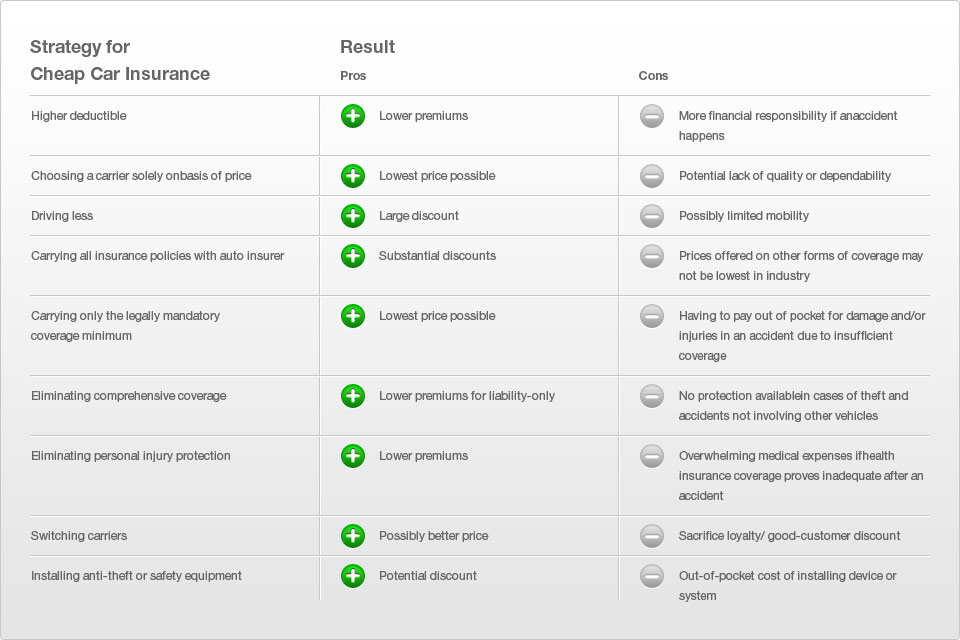
The category of automobile insured further impacts car coverage premiums. Cars with higher safety ratings and lower theft rates usually bring lower premiums. Conversely, vehicles that are high to repair as well as are at greater risk of theft may lead to increased insurance costs. Furthermore, the car's age and the availability of safety features, including automatic braking and anti-lock brakes, can additionally influence premium assessments.
Location is a further key factor influencing car insurance premiums. Areas with significant crime and dense traffic may lead to increased premiums due to the greater likelihood of accidents as well as theft. Car insurance quotes can also evaluate local weather patterns, as regions prone to natural disasters might see increased rates. Thus, understanding these multiple influencing factors can help drivers formulate educated decisions about their vehicle insurance plans.