

Car coverage is a essential cost for motorists, but it doesn’t have to drain your wallet. A lot of people often feel burdened by the expenses associated with car coverage, often feeling like they’re trapped in a loop of elevated rates. However, by taking a closer look at your coverage options and making smart decisions, you can find ways to significantly lower your car policy costs without compromising on your protection.
As you move through the world of car coverage, it’s essential to grasp the factors that affect your rates. From your driving record to the brand and model of your car, multiple factors can affect what you pay. Fortunately, there are countless tactics you can apply to enhance your financial benefits. This guide will provide practical tips and realistic advice to help you lower your auto insurance expenses effectively.
Understanding Auto Insurance Fundamentals
Auto insurance is a policy between you and an coverage company that delivers monetary protection in the event of an incident, robbery, or damage to your vehicle. When you purchase car coverage, you agree to pay a cost in return for this coverage. The coverage you select decides how much financial assistance you will receive in multiple situations, such as responsibility for damages you bring about to other parties or coverage for your vehicle's repair costs.
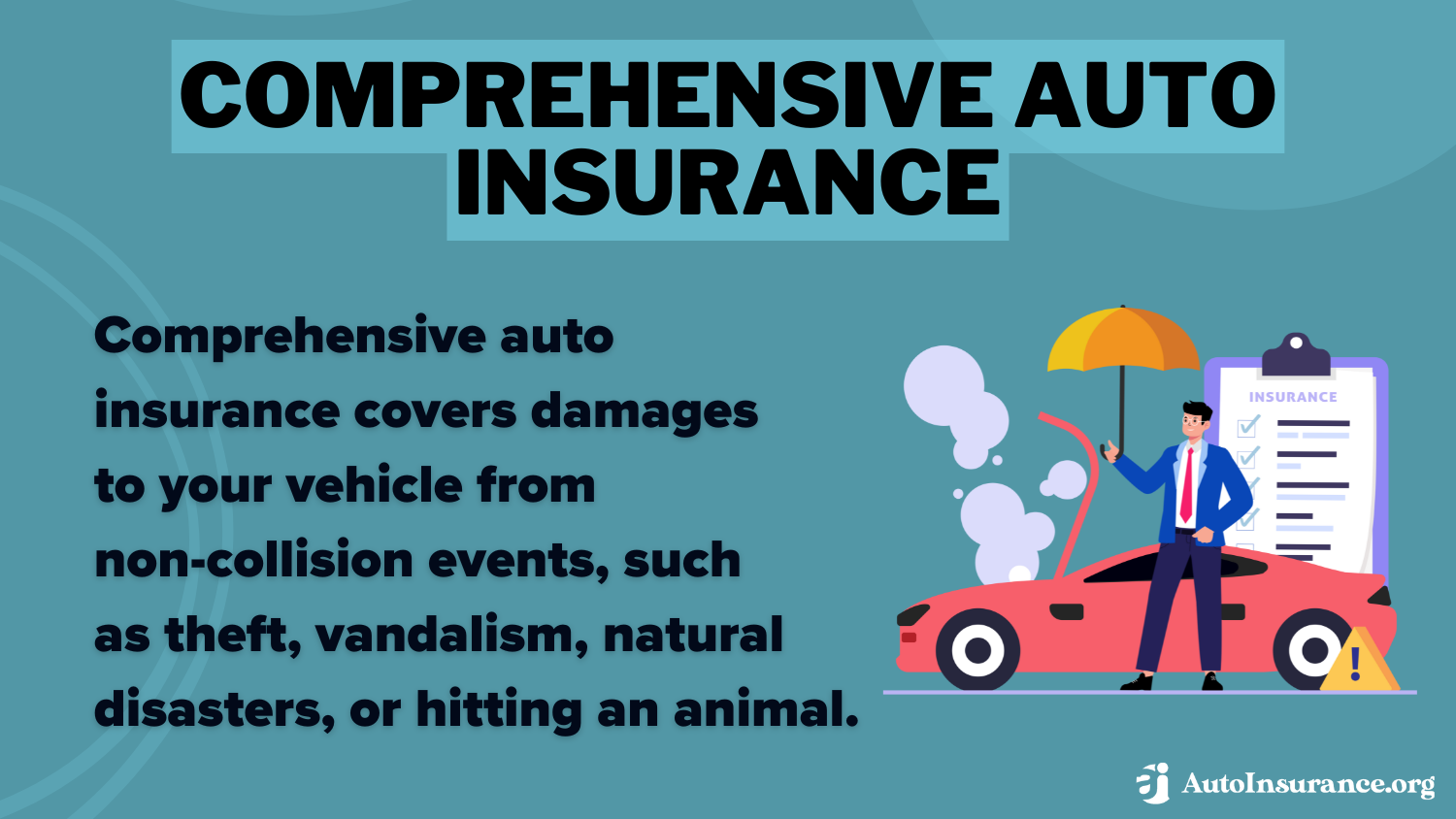
There are multiple important components of automobile coverage, including responsibility coverage, individual injury protection, collision coverage, and comprehensive coverage. Liability coverage covers the damages or losses you cause to others if you are responsible in an incident. Individual injury protection assists pay for your medical expenses irrespective of who is to blame. Collision coverage pays for harm to your vehicle due to a collision, while comprehensive coverage safeguards against non-collision incidents like theft and acts of nature.
Understanding these fundamentals will assist you make educated decisions about the kind and level of coverage you need. Factors like your driving history, the kind of car you operate, and your location can impact your premiums. By grasping the basics of auto insurance, you can better deal with your options and take steps to maximize your savings while making sure you have adequate coverage on the road.
Elements That Affect Premiums
Different aspects have a major function in determining your auto insurance rates. One major aspect is your driving record. Insurance companies typically look at incidents such as collisions, moving offenses, and past claims. A good driving record generally results in lower premiums, while a history of accidents or claims can cause increased costs due to the perceived increased risk.
Your type of vehicle also influences your car insurance premiums. Luxury cars, sporty vehicles, and cars that are costly to maintain often come with higher premiums. On the other hand, more economical, safer vehicles may attract lower rates. Additionally, the car's safety features and ratings can determine how much you spend, as vehicles equipped with cutting-edge safety features are not likely to be part of serious accidents.
Another significant element is your demographics. Your age, sex, and even relationship status can impact your auto insurance rates. Younger drivers often face greater rates due to their higher risk of accidents, while older drivers, with more experience may enjoy reduced premiums. Furthermore, where you live can also lead to variations in insurance rates, as certain regions have more frequent occurrences of auto theft or incidents, leading insurance companies to adjust their cost structures based on those factors.
Savings You May Qualify For
When it comes to lowering the auto insurance premiums, one of the most effective strategies is to take advantage of multiple discounts offered by insurance companies. Numerous providers offer discounts for safe driving records, which means that you have a spotless driving history with no accidents or traffic violations, you could be eligible for significant savings. Additionally, some insurers provide discounts for completing defensive driving courses, showcasing your dedication to road safety.
An additional common way to save on car insurance premiums is through bundling policies. In the event that you have other types of insurance, such as homeowners or renters insurance, think about combining them with your auto insurance policy. Numerous companies offer multi-policy discounts that can lead to substantial overall savings. Don't forget to ask your insurer whether they have any partnership discounts with businesses, organizations, or affiliations you may belong to, as these can provide further savings.
Lastly, certain lifestyle choices and features of your vehicle can also lead to discounts. For example, if you drive a vehicle equipped with advanced safety features, such as anti-lock brakes or lane departure warnings, you may qualify for reduced rates. Similarly, scholars with good grades often receive discounts for their academic achievements. It's essential to communicate with your insurance provider and inquire about all available discounts, as these can significantly reduce your auto insurance costs.
Advice to Lower Your Insurance Costs
A smart method to lower your auto insurance rates is by shopping around and evaluating quotes from different insurers. Each provider uses its unique formula to determine rates, so you may find significant disparities in pricing for the identical coverage. Do not be afraid to obtain quotes via the internet or through agents, and don't rush to assess the coverage options and premiums before choosing. This approach not only offers you with the optimal price but can also give you insight into which insurers offer better customer service.
A further strategy to consider is increasing your deductible. A deductible is the amount you pay out of pocket before your insurance starts covering costs. By opting for a higher deductible, you might reduce your regular premium significantly. However, Texas cheap car insurance to select a deductible amount that you can comfortably afford in the event of an incident. Consider the potential savings against the potential costs to ensure that this change aligns with your personal finances.
Lastly, take advantage of discounts offered by auto insurance companies. Many insurers provide numerous discounts for factors such as good driving records, bundling policies, or even being a member of specific organizations. It’s beneficial to inquire about available discounts when getting quotes, as these can lead to substantial savings. Don’t overlook factors that might qualify you for lower rates, as every dollar saved can accumulate and contribute to maximizing your overall savings.
A Importance of Evaluating Insurance Quotes
In the quest for securing the most favorable car insurance prices, analyzing offers is necessary.
Insurance companies set rates based on multiple factors, causing substantial variations in pricing for comparable coverage. By obtaining estimates, you can find out which company gives the best value tailored to your unique preferences. Without this comparison, you might unknowingly accept a higher rate than required.
In addition to cost, reviewing offers allows you to review the coverage choices and discounts that different providers provide. While one company might have the cheapest premium, another one could deliver better coverage or exclusive discounts that better suit your situation. Grasping the details between policies can help you make a more informed choice, which could result in higher discounts in the end.
Furthermore, utilizing the information you gather during the review process can yield you with more than just just cheaper rates. Many insurers appreciate customer retention and will provide more benefits for clients who evaluate and change their insurance. This proactive method to managing your vehicle coverage not only assists with increasing your financial benefits but also cultivates a stronger relationship with your selected insurer, guaranteeing you obtain the highest service and coverage feasible.
Whenever to Reassess Your Coverage
It's important to from time to time reassess your car insurance policy to make sure it still fits your demands and budget. Life changes such as relocating, entering into marriage, or introducing a teen driver can greatly impact your insurance needs and premium costs. If any of these events occur, take the time to examine your existing policy and consider whether it continues to be the optimal selection for you.
In addition, market conditions and modifications to your driving patterns can impact your auto insurance rates. For example's sake, if you start using your vehicle more infrequently or change to a more secure, more fuel-efficient car, you may qualify for discounted premiums. Keep an eye on discount options or discount initiatives offered by your insurance provider that may apply to your case. This forward-thinking approach can lead to considerable savings.
Finally, it’s wise to contrast your current policy with other available options every year. Insurance providers often update their rate structures and introduce new discounts. By exploring options, you may uncover better coverage at a favorable rate. A comprehensive evaluation could lead to savings and ensure you have the right level of coverage for your requirements.