

In terms of car insurance, many drivers often question how their premiums are calculated. The process can seem confusing, with multiple factors influencing the rates you incur. Understanding the details of auto insurance pricing can empower you to arrive at informed decisions when seeking coverage.
Insurance companies use a combination of data analysis and statistical modeling to set your rates. This entails assessing your personal information, driving history, and even the type of vehicle you possess. By diving into the elements, we can uncover the elements involved in calculating those rates and how you can to possibly lower them.
Factors Affecting Insurance Premiums
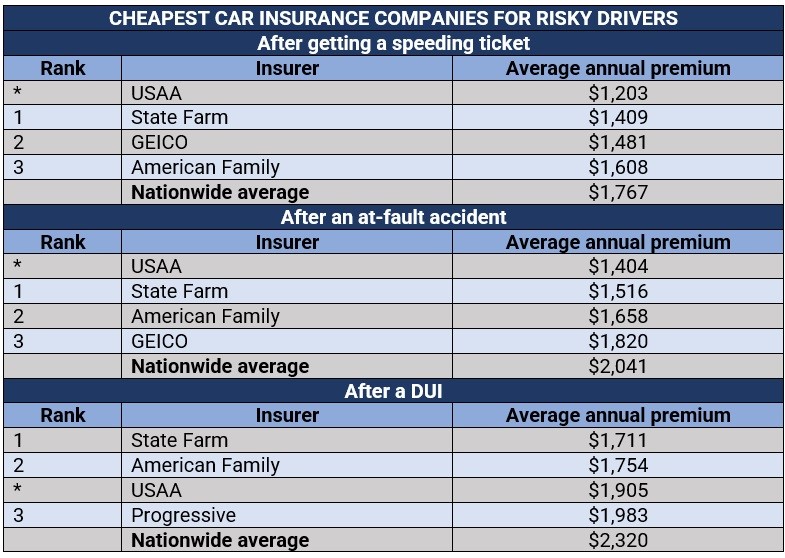
When determining determining your car insurance rates, several key factors are considered. One of the main considerations is your driving record. A clean record with no accidents or traffic violations often signals to insurers that you are a lower risk, resulting in better premium rates. On the other hand, if you have accidents or speeding tickets on your record, you may end up dealing with elevated premiums as insurers perceive you as a greater risk on the road.
An additional important factor is the geographic location. Insurance companies analyze the area where you live and drive to evaluate the probability of accidents, theft, or vandalism. Urban areas often have elevated crime rates and more traffic congestion, which can result in higher insurance costs. Conversely, rural areas might see lower premiums due to less traffic and fewer claims, reflecting a reduced risk to the insurer.
Your characteristics also play a important role in determining your premium. Factors such as how old you are, gender, and marital status can influence rates. Young drivers, particularly males, often face increased insurance costs due to statistical data showing these individuals are at greater risk of accidents. Married individuals or senior drivers may receive lower rates as they are often seen as more responsible. Furthermore, the type of vehicle you drive and its safety ratings can further affect your insurance costs.
A Role of Insurance Underwriting
Insurance underwriting is a key procedure in establishing car auto insurance rates, acting as the means by which insurers analyze the risk of insuring a particular driver. When you apply for auto insurance, insurance underwriters analyze various factors, including your driving history, credit score, and the make of vehicle you drive. This evaluation helps insurance companies forecast potential claims and set premiums accordingly. A clean driving record with minimal accidents or violations often results in minimal rates, while a record of claims can cause increased costs.
In addition to specific driver data, underwriting also considers outside factors such as geographic location and market trends. For instance, a driver residing in an area with a elevated incidence of accidents may experience increased insurance rates. Insurance underwriters also take into account the make and model of the vehicle, as some cars are more prone to theft or costly to repair, influencing the overall risk. These extensive assessments ensure that rates reflect an accurate level of risk for each policyholder.
Additionally, the underwriting procedure have advanced with technology. Insurance companies now leverage complex algorithms and data analytics to improve their assessments and increase accuracy. This progress allows for a better customized approach in setting premiums, making it possible for insurers to offer attractive rates while maintaining profitability. Ultimately, the underwriting process is a essential role that harmonizes the interests of both insurer and the insured, eventually shaping the landscape of car insurance pricing.
Methods to Lower The Car Insurance Rates
One effective way to lower your car insurance rates is by seeking out for the lowest deals. Insurance companies offer a wide range of rates depending on different factors such as the driving history, vehicle type, and zip code. By comparing quotes from different providers, you can find a plan that offers the same coverage for a lower price. It’s beneficial to check for discounts that some insurers offer, such as those for cautious driving, bundling policies, or as a member of certain organizations.
An additional strategy to reduce your auto insurance costs is to increase your deductible. car insurance near me open now is the figure you pay out of pocket before your insurance kicks in for a claim. By selecting a higher deductible, you can typically reduce your monthly premium. However, it is essential to ensure that the deductible you choose is an amount you can comfortably afford in the event of an accident. Balancing your deductible with your overall coverage needs is essential.
Finally, considering your car's safety features and its insurance rating can significantly affect your rates. Vehicles equipped with sophisticated safety features, such as anti-lock brakes, airbags, and anti-theft systems, often receive discounts. Additionally, opting for a car model that has a established track record of safety and low repair costs can lead to lower premiums. When buying a vehicle, it’s beneficial to research its insurance ratings and choose one that will help you save on auto insurance.