

Acquiring car insurance may seem intimidating, especially true given the many available options and the language that tends to make difficult the process. A lot of individuals hurry into picking a policy, focused on only the cost or false beliefs about what coverage they actually require. Nonetheless, recognizing the common mistakes can help you avoid excessive cost and frustration in the future.
In this article, we will examine 10 common blunders that buyers make when acquiring auto insurance. Being mindful of these mistakes, you can formulate wise decisions that not only protect you financially guarantee you get the appropriate coverage for your requirements. If you are a first-time customer or wanting to change providers, dodging these pitfalls will enable you acquire the most favorable policy. Let' full coverage cheap car insurance in and help you to navigate the world of car insurance confidently.
Comprehending Coverage Choices
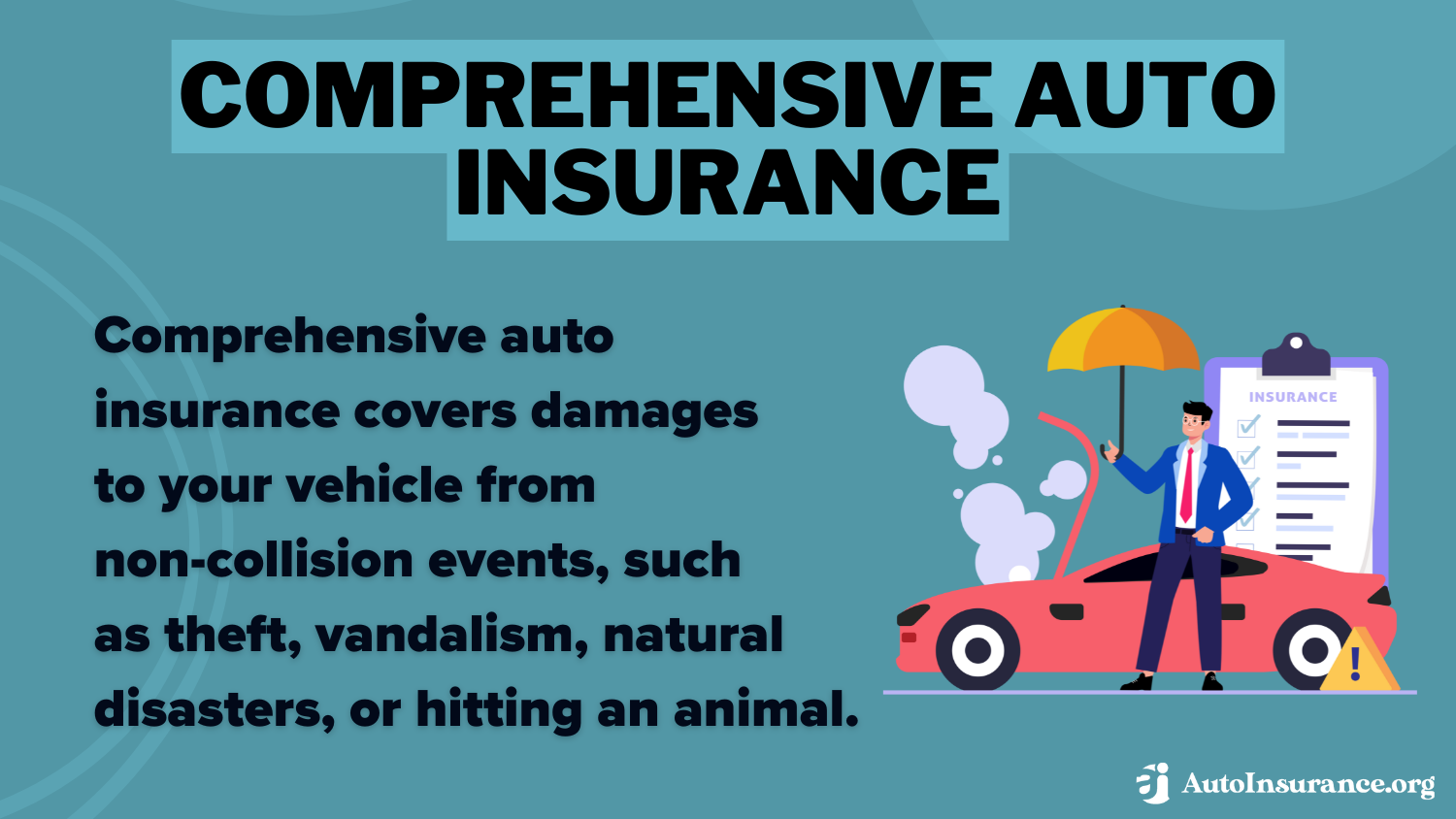
When buying car insurance, it's important to grasp the various coverage options available to ensure you select a plan that meets your needs. Auto insurance typically includes liability coverage, collision protection, and comprehensive insurance. Liability coverage protects you from costs related with damages or injuries you may cause to others in an accident. Collision coverage, on the other hand, covers damage to your vehicle from a collision, no matter of who is at fault. Comprehensive coverage delivers protection against non-collision-related incidents, such as theft, vandalism, or natural disasters.
Another essential aspect of coverage options is underinsured motorist coverage. This type of protection is vital in situations where you are involved in an accident with a driver who does not have enough insurance or lacks insurance altogether. By having this coverage, you can protect yourself from financial loss caused by accidents involving these drivers. It's a security measure that many people ignore, but it can be vital for your financial security.
Lastly, don't forget to consider additional options such as personal injury coverage and roadside assistance. Personal injury protection can take care of medical expenses for you and your passengers, no matter of who is at fault. Roadside assistance provides help in case of breakdowns or various emergencies. Evaluating these alternatives carefully will ensure you have a comprehensive auto insurance policy that truly protects you on the road.
Evaluating Quotes Effectively
As you are shopping for car insurance, it is crucial to compare estimates from various insurers to ensure you are getting the most favorable deal available. Start by collecting quotes from a minimum of three different providers. Such an approach gives you a wider perspective on what the market offers and helps you spot any significant differences in pricing for similar coverage. Remember that the lowest-priced option isn’t always the most suitable; pay close attention to the coverage limits, deductibles, and exclusions that may vary from one policy to another.
Additionally, make use of comparison tools online to streamline the process. These tools can save you time by allowing you to enter your information once and receive multiple quotes in return. However, while utilizing these online resources, be sure to check the credibility and reputation of the insurers. Reading feedback and ratings from fellow customers can provide insight into the quality of customer service and the claims process, which are essential factors in your decision-making.
Finally, when you get your quotes, take the time to analyze and evaluate the coverage offered. Look beyond just the premium amount and take into account the particular features each policy provides. Some policies may include benefits such as roadside assistance or rental car coverage, which could influence your overall costs and satisfaction in the long run. By doing a comprehensive comparison, you will be more equipped to choose a policy that meets your needs and budget while offering adequate coverage.
Overlooking Coverage Tiny Print
When buying car insurance, many clients tend to neglect the fine print of their policies. This often encompasses critical elements about coverage limits, exclusions, and specific requirements that might be applicable. Neglecting this information can lead to unexpected additional expenses during a claim, leaving insureds unprotected in situations they thought were covered.
Additionally, many buyers focus on the cost amount without thoroughly realizing the effects of their opted coverage choices. They may select lower premiums, only to realize that their deductibles are much higher than expected or that essential benefits, such as rental car coverage or emergency support, are excluded. This oversight can create monetary stress, especially in times of need.
Finally, the terminology used in insurance policies can sometimes be complicated and full of legal language. Failing to seek explanation on unclear terms can result in confusion about what is included versus what is not. To avoid these missteps, it is advisable to read through the policy thoroughly, ask questions, and even consult a well-informed agent if needed to ensure full understanding of the terms before agreeing to a policy.